
← All industries
Emergency infrastructure
Disaster Relief + Emergency Response
Deployable space for the first hours and the long recovery.
Rapidly deployable command, communications, shelter-support, storage, sanitation, and logistics units for emergency response.
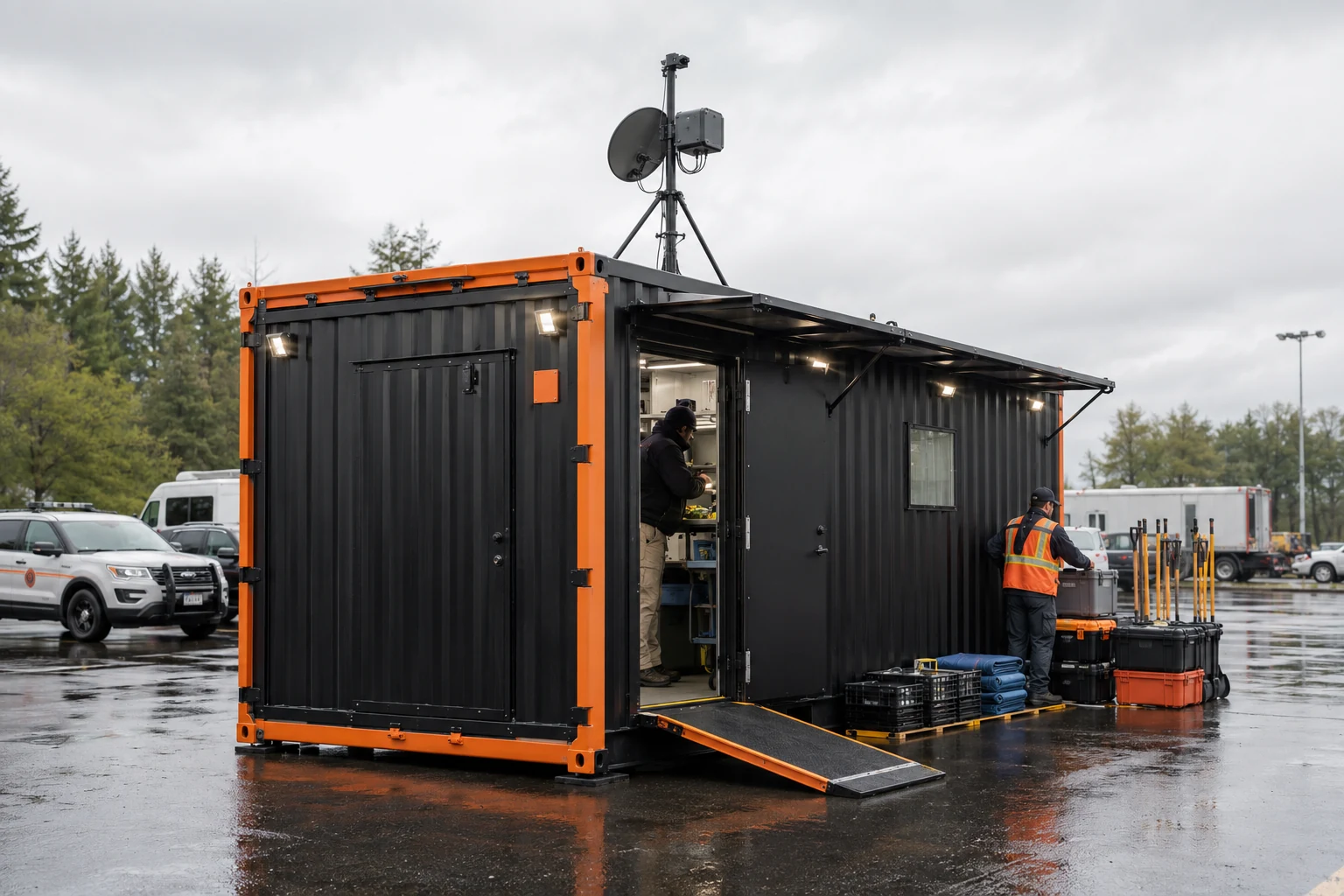
Built around the operation
Deployable space for the first hours and the long recovery.
Emergency operations require usable space in locations where normal facilities may be damaged, overloaded, or unavailable. The Mod Shop develops modified containers for incident coordination, communications, supply distribution, sanitation, temporary offices, and recovery logistics. Units can be standardized for staged inventory or configured around a defined agency, utility, nonprofit, or contractor mission.
Operating priorities
Decisions that shape the build.
A useful modular unit starts with the site, workflow, equipment, people, and approval path—not a one-size-fits-all floor plan.
01
Start with the response mission
A command unit, medical-support unit, supply cache, and sanitation module require different plans. The project team should define users, staffing, operating duration, transport method, utility assumptions, communications, accessibility, privacy, and the equipment that must function immediately after arrival. That mission profile becomes the basis for openings, rooms, storage, counters, systems, and exterior connections.
Temporary emergency operations centers may need shared workstations, briefings, communications racks, secure records, display surfaces, and separated leadership space. Logistics units benefit from pallet or cart access, organized inventory, exterior service openings, lighting, and a clear distribution path.
02
Plan for imperfect sites and limited utilities
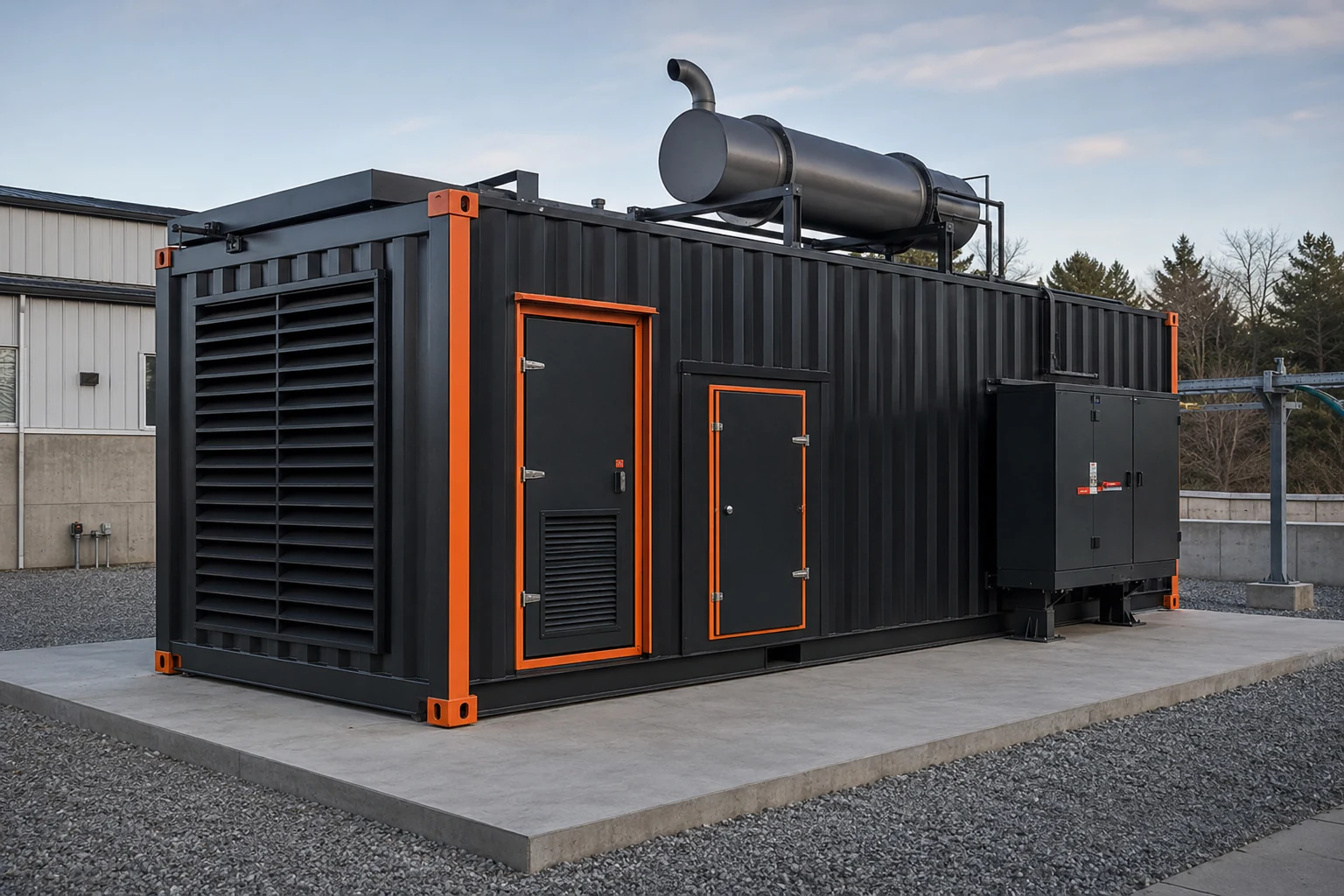
Emergency staging areas may offer limited power, water, data, lighting, drainage, or secure perimeter control. Units can be prepared for generator or shore-power connections, water and waste interfaces, communications pathways, exterior task lighting, and protected service compartments. Connection types and loads should be standardized when multiple units will deploy together.
Placement and access remain critical. Delivery routes, lift equipment, surface bearing, flood exposure, wind conditions, fire access, and safe public circulation should be assessed by the responsible site team before arrival.
- Preplanned power interfaces
- Secure equipment and supply storage
- Rapid setup and close-down
- High-visibility black-and-orange finish
03
Support both responders and the community
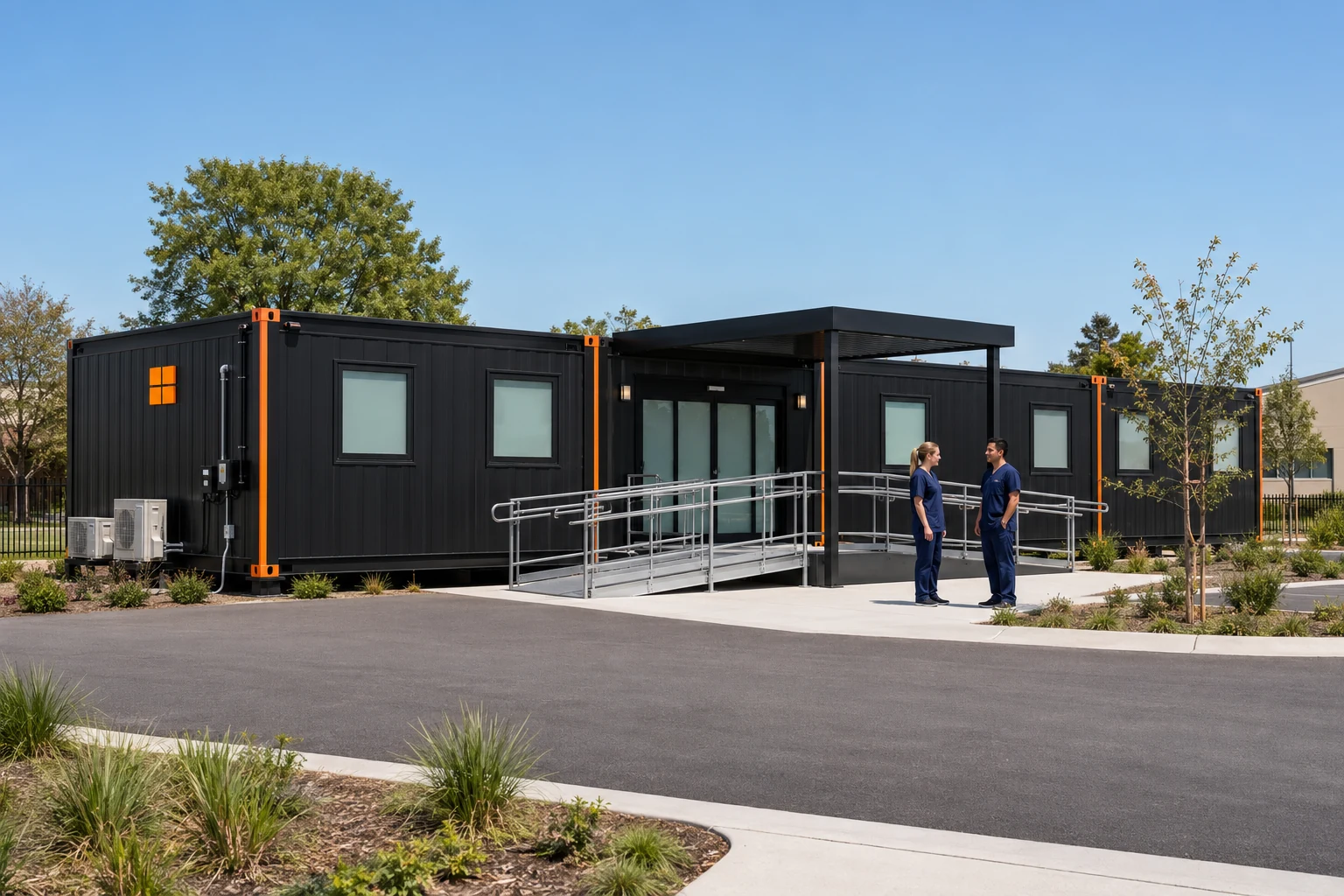
Good emergency infrastructure considers shift work, fatigue, privacy, sanitation, accessibility, and the needs of people with disabilities or limited mobility. Seating, HVAC, lighting, acoustic separation, clear wayfinding zones, and accessible service points can improve the usefulness of a compact unit.
Emergency plans, medical operations, shelters, public distribution, electrical systems, and temporary structures are subject to agency protocols and local requirements. The Mod Shop fabricates to the documented scope; the responsible emergency-management and design professionals determine final operational and regulatory criteria.
Common applications
Where these units go to work.
Every application is configurable. Size, openings, interior partitions, utilities, equipment, finishes, access, and delivery planning are matched to the project.
- 01Incident coordination
- 02Communications support
- 03Supply distribution
- 04Sanitation and hygiene
- 05Temporary field offices
- 06Recovery logistics
Recommended platforms
Strong starting points for your scope.
Choose a product series or a proven solution, then configure it around your site and operation.
BIZ SERIES
BIZ Series
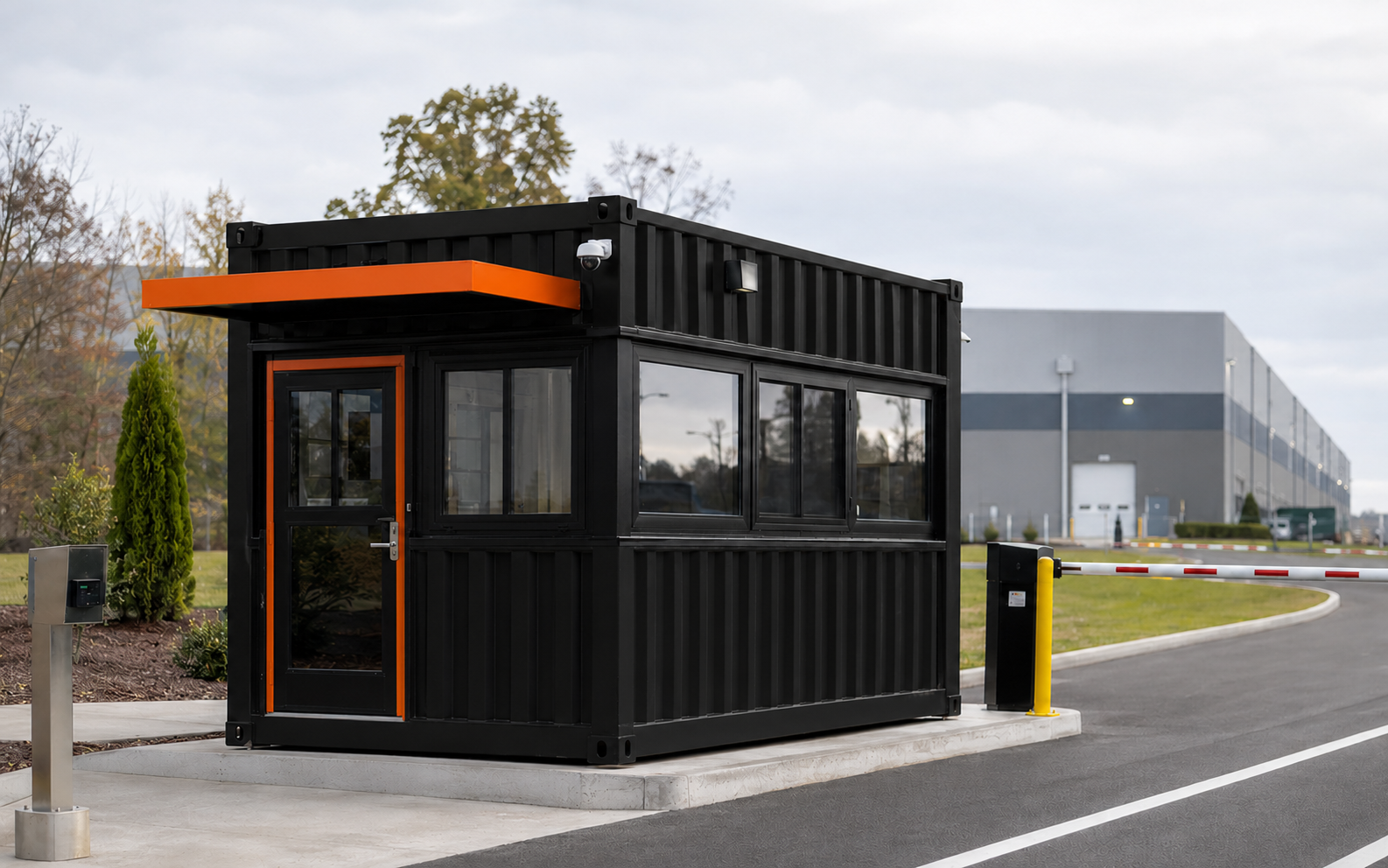
Office containers and security booths.
Explore series ↗JOHN SERIESJOHN Series
Modular restroom and portable sanitation facilities.
Explore series ↗GEN SERIESGEN Series
Modification packages for doors, windows, refurbishment, lighting, and temperature control.
Explore series ↗CUSTOM BUILDOffice Containers
Turn durable steel into a comfortable, professional workspace configured around your crew, workflow, and site.
Explore build ↗CUSTOM BUILDRoll-Up Door Units
Container storage made more practical with professionally reinforced, smooth-operating roll-up access exactly where you need it.
Explore build ↗Project questions
What teams ask before they build.
How quickly can a disaster-response container be deployed?+
Deployment depends on whether the unit is prebuilt, transport availability, site access, utility readiness, and the amount of mission-specific equipment. Standardized staged units can reduce design and mobilization time.
Can units operate from temporary power?+
They can be designed with project-specific shore-power or generator connection provisions. Load calculations, grounding, distribution, generator placement, and commissioning must be handled by qualified electrical professionals.
Can several response modules work as one site?+
Yes. Command, storage, sanitation, medical-support, and staff units can share a coordinated layout and connection strategy, subject to a site-specific incident and safety plan.
Related industries
Explore connected applications.
Start with the operation
Tell us what the unit must do, where it will work, and what it needs to support.Plan your project ↗